

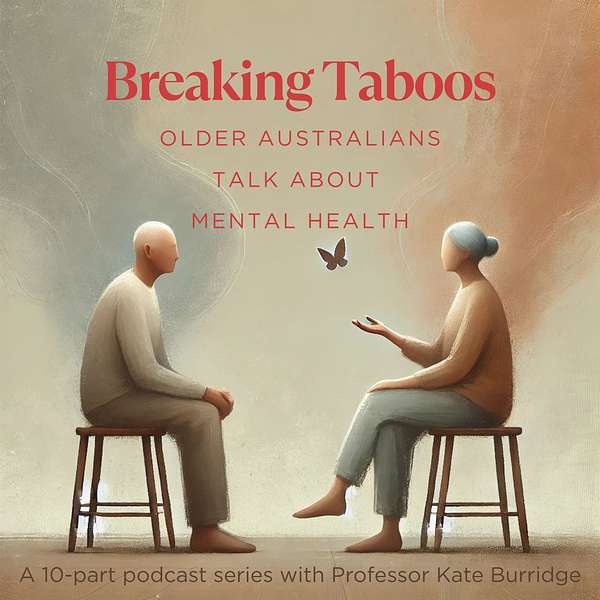
Podcast Series
Listen to Breaking Taboos
A ten-part series exploring ageing and mental health through the honest experiences of older Australians. Explore the episodes →

Where to start Tap to learn more
Where to start
Not sure where to begin? This practical guide from Health direct explains common mental health issues experienced by older people, the signs to look out for, and where to seek support. It also includes simple tips to help maintain wellbeing and stay mentally healthy as you age.

Helping a Friend Tap to learn more
Helping a Friend
It can be difficult to know what to do when you're worried about someone’s mental health. This guide from the Black Dog Institute provides practical advice on recognising when a friend may be struggling, starting supportive conversations, and encouraging them to seek help when needed. It also highlights the importance of looking after your own wellbeing while supporting others.

Your own mental health Tap to learn more
Your own mental health
Looking after your mental health is just as important as looking after your physical health. MyCompass for Seniors is a free online program that helps you build practical skills to manage stress, improve wellbeing, and develop healthy coping strategies at your own pace. It includes interactive activities and personalised tools designed specifically for older Australians.

Dealing with Grief Tap to learn more
Dealing with Grief
Grief can affect us in many different ways and there is no right or wrong way to experience it. Griefline provides information, resources and support to help people navigate loss, understand their feelings, and find ways to cope during difficult times. Whether your loss is recent or long ago, support is available when you need it.

Help in a crisis Tap to learn more
Help in a crisis
If there is an immediate risk to life or safety, call Triple Zero (000).
If you or someone you know is experiencing a mental health crisis, immediate support is available. The NSW Mental Health Line (1800 011 511) provides access to trained mental health professionals who can offer advice, assess the situation, and connect you with the most appropriate services, 24 hours a day, 7 days a week.

Positive mental health Tap to learn more
Positive mental health
Looking after your mental wellbeing can be as simple as making time for activities that bring joy, purpose and connection. This collection of resources includes practical ideas to support positive mental health, from mindfulness and creative activities such as colouring, to everyday ways to stay active, engaged and connected with others. Small steps can make a big difference to your overall wellbeing.