
Equitable ageing
Ageing is not experienced in the same way by everyone.
People grow older shaped by their health, income, culture, gender, sexuality, family circumstances, work history and the communities they live in.
These experiences influence the opportunities people have throughout life and the supports available to them as they age. Equitable ageing means recognising these differences and ensuring that everyone has the opportunity to age well.
At Council on the Ageing NSW, we believe that older people should be able to live with dignity, security and opportunity, regardless of their background or life circumstances.
What do we mean by equitable ageing?
Equitable ageing recognises that people arrive at older age with very different life experiences.
Some people reach later life with financial security, strong social networks and good health. Others may face challenges shaped by lifelong inequality, discrimination, poor health or limited access to opportunity.
An equitable approach to ageing means ensuring that policies, services and systems respond to these differences so that no one is left behind.
The many realities of ageing
Older people in NSW are diverse. This includes:
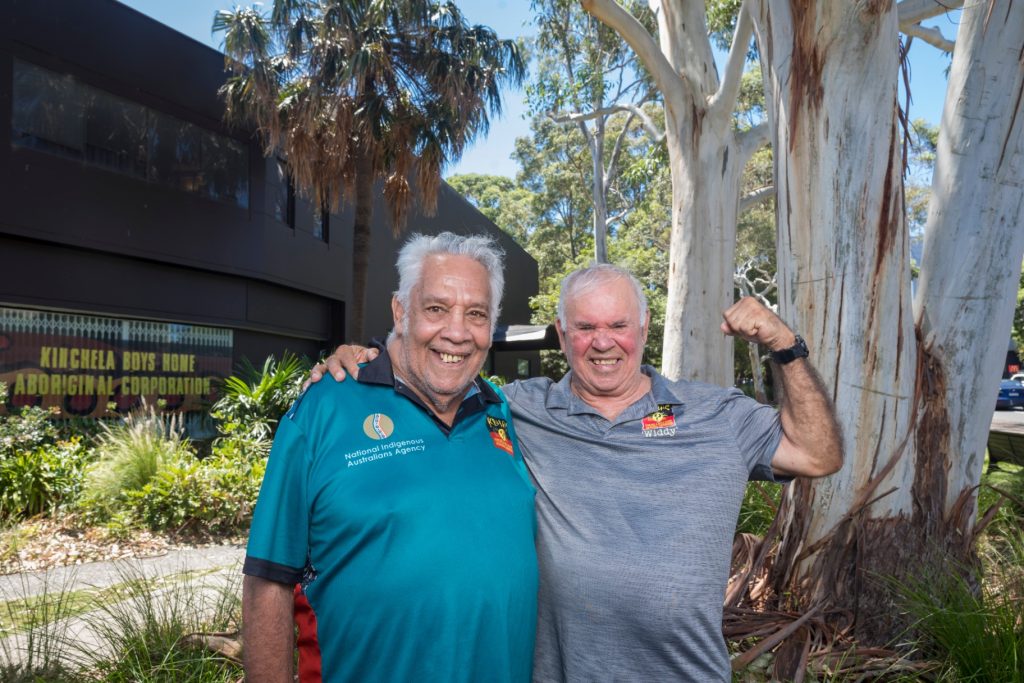
- Aboriginal and Torres Strait Islander peoples
- People from culturally and linguistically diverse communities
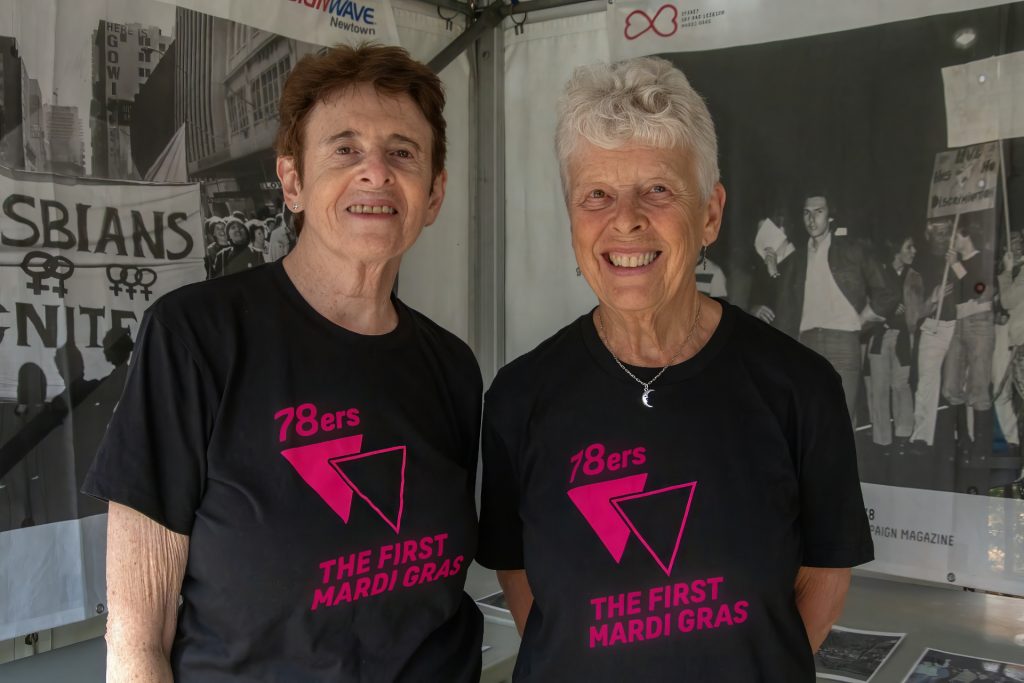
- LGBTIQA+ older people
- People living with disability
- Older carers
- Older people living in regional, rural and remote communities
- People experiencing financial hardship or housing insecurity
These experiences can shape how people interact with services, how connected they feel to their communities and the resources available to support them in later life. Recognising these differences is essential to building systems that work for everyone.
Why equity matters
Without an equity focus, some older people face barriers that limit their ability to participate fully in society. These barriers can include:
- Services that are not inclusive or culturally safe
- Discrimination or stigma
- Limited access to information or support
- Geographic isolation
- Financial insecurity
- Barriers to housing, health care and community participation
Equity ensures that these barriers are recognised and addressed so that all older people have the opportunity to age well.
Our role
Council on the Ageing NSW advocates for policies and systems that support equitable ageing.
We work to ensure that the voices of older people with diverse experiences are heard and reflected in decision-making. This includes:
- Engaging directly with communities across NSW
- Supporting lived experience groups
- Producing research that highlights inequality in ageing
- Advocating for inclusive policies and services
- Promoting opportunities for participation and connection
Because everyone deserves the opportunity to age well.